Unlock Your Creativity: The Ultimate Guide to T-Shirt Screen Printing Success
Worldwide of t-shirt screen printing, the journey from concept to creation is both intricate and satisfying. Comprehending the fundamental strategies and devices is vital for anybody seeking to produce premium designs that reverberate with their target market. This overview intends to light up the important actions and ideal techniques that can raise your screen printing endeavors. The course to success is not simply concerning understanding the craft; it also involves strategic marketing to effectively display your special offerings. What are the essential insights that can change your technique to this imaginative procedure?
Understanding Screen Printing Fundamentals
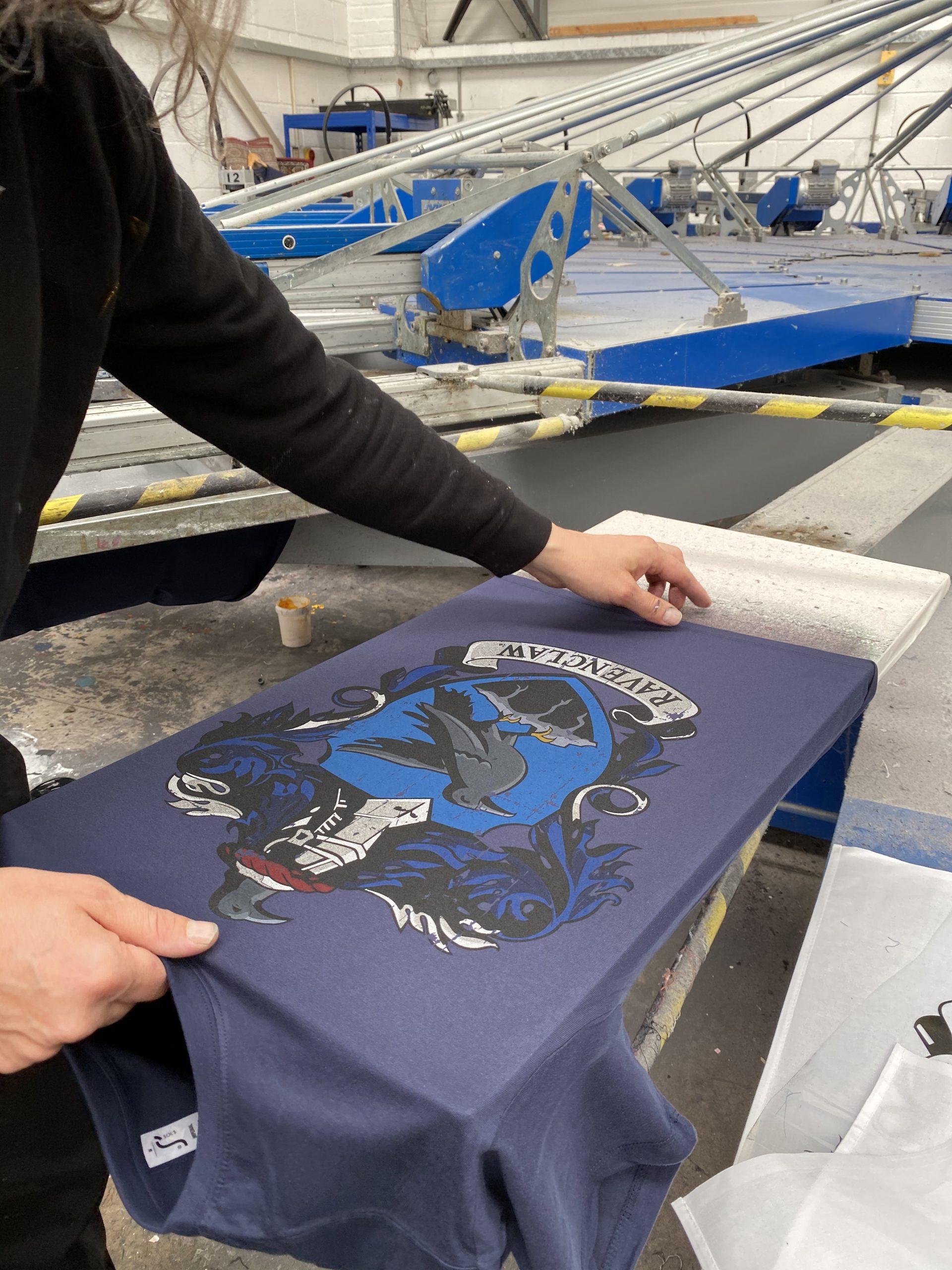
Recognizing the fundamentals of screen printing is crucial for anyone wanting to develop top notch custom T-shirts. This functional printing method includes transferring ink with a mesh screen onto material, permitting resilient and vibrant styles. The process begins with developing a pattern, called a screen, which is made to shut out areas where ink need to not be applied.
When the screen is prepared, the fabric is positioned underneath it, and ink is pushed through the mesh utilizing a squeegee - Abilene T-Shirt Screen Printing Company. This technique makes it possible for accurate application and can accommodate numerous shades and styles. The appeal of screen printing depends on its capacity to create large amounts of constant prints, making it a preferred selection for organizations and occasions
Comprehending the complexities of screen printing can significantly influence the final item. Variables such as ink viscosity, mesh matter, and curing techniques can affect the general high quality and durability of the print. By grasping these basic concepts, individuals can guarantee their customized T-shirts not only satisfy aesthetic expectations yet also stand the test of time concerning wear and washability.
Essential Products and Equipments
To effectively perform screen printing, a selection of vital materials and devices is called for. At the structure of any screen printing configuration is the screen itself, normally made of polyester mesh extended over an aluminum or wood framework (Business Branding Services). This mesh holds the stencil that defines the visuals to be published
Next off, you will need a squeegee, a tool utilized to push ink via the screen onto the textile. The kind of squeegee and its durometer (solidity) can impact the quality of the print, so choose one ideal for your project.
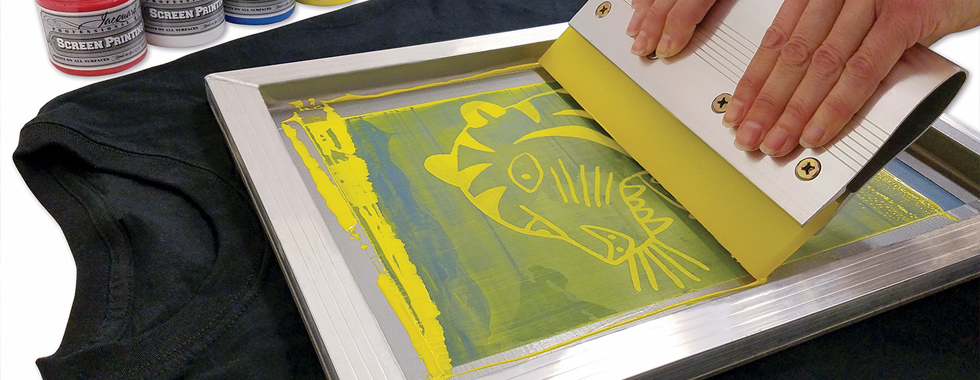
Extra materials include emulsion and a light resource for creating stencils, along with tape for safeguarding the screen and preventing ink bleed. A work area equipped with cleansing products will promote proper maintenance of your devices and displays, eventually improving your printing efficiency.
Creating Your T-Shirt Graphics
Creating engaging graphics for your T-shirts is an essential action in the screen printing procedure. The design needs to not just catch attention yet additionally communicate a message or style efficiently. Begin by brainstorming concepts that reverberate with your target audience. Think about existing fads, social recommendations, or personal experiences that can inspire one-of-a-kind layouts.
Utilize layout software such as Adobe Illustrator or CorelDRAW to bring your concepts to life. Take note of color concept; choosing the best combination can considerably impact the general charm of your graphics. T-Shirt Printing. Validate that your design is high-resolution, preferably 300 DPI, to preserve clarity when printed
Consider the positioning of your graphics on the T-shirt. Common areas include the front center, back, or sleeves. Each placement has its own visual influence, so select carefully based upon your layout and target audience. In addition, think about the kind of ink and material you will certainly be making use of, as these can influence the last appearance of your graphics.
Preparing Your Screens
Prep work is essential for attaining high-grade screen prints - Screen Printing. The process begins with selecting the appropriate mesh screen, as the mesh matter straight affects the detail and quality of your prints. A finer mesh matter is appropriate for complex layouts, while a coarser matter functions best for bold graphics
Next, make sure that your screens are tidy and complimentary from any kind of pollutants. Dust, oil, or remaining emulsion can jeopardize print high quality. Use a degreasing remedy to completely clean the screens prior to applying the solution.
Applying the solution uniformly is vital, as any disparities can bring about undesirable blemishes in the last print. Use an inside story coater for a smooth, consistent layer, and permit adequate time for drying out in a dark atmosphere to stay clear of exposure to light.
Once completely dry, it's time to subject your screens using a source of light. Comply with the maker's guidelines for direct exposure times to attain the most effective results. After direct exposure, wash out the screens meticulously to reveal your style, ensuring that the locations suggested to publish are clear. Effectively ready displays will certainly establish the foundation for an effective printing procedure, improving the general quality of your t-shirt layouts.
The Printing Process Explained
Comprehending the printing procedure is crucial for achieving high-grade cause screen printing - Business Branding Services Abilene. This section will certainly cover essential parts including effective screen prep work techniques, different ink application approaches, and the important treating and finishing actions. Each of these aspects plays a considerable function in the general success of the printing task
Screen Prep Work Methods
Effective screen prep work is vital for achieving top quality prints in the screen printing process. The success of your prints mainly depends on the precise preparation of the screen, which works as the foundation for your design.
Begin with choosing an ideal screen mesh, as the mesh matter influences the detail and opacity of your prints. A higher mesh count is optimal for detailed designs, while a lower matter is appropriate for bold graphics. Next off, appropriately degrease the screen to get rid of any impurities that could affect attachment. This step guarantees that the solution sticks equally to the screen surface area.
After degreasing, use a light-sensitive emulsion using an inside story coater, making certain a consistent layer throughout the screen. Exposure to light will set the emulsion where it is not covered by your design, so it is vital to make use of a well-contrasted openness film for ideal outcomes. Post-exposure, rinse the unexposed emulsion, exposing the stencil for your design.
Ink Application Methods
Precision in ink application is crucial for achieving vibrant and regular lead to the screen printing procedure. Various methods can be utilized to use ink effectively, each with distinctive benefits depending upon the layout and textile type.
The most usual strategy is using a squeegee, which evenly disperses ink throughout the screen to move the layout onto the substratum. The pressure and angle at which the squeegee is held can substantially impact the ink's thickness and clarity. For comprehensive or intricate layouts, a finer mesh screen can be utilized, permitting for much more accurate ink application.
An additional technique is flooding covering, where a layer of ink is first spread throughout the screen before the actual printing stroke. This strategy guarantees a regular ink circulation and lowers the risk of smudging or unequal application.
For specific applications, specialty tools such as rollers or spray guns may be employed, giving additional versatility. Each approach needs ability and method to master, but understanding the subtleties of ink application can extremely improve the top quality of your screen printing work, leading to resilient and lively prints on your T-shirts.
Curing and Ending Up Steps
When the ink has been put on the Tee shirts, the following phase in the screen printing process entails treating and completing the prints to verify sturdiness and quality. Treating is the important step that assures the ink sticks appropriately to the fabric, stopping fading or peeling off throughout putting on and cleaning. This is typically achieved via warm, where the published shirts are subjected to a particular temperature for a set period, enabling the ink to bond with the fibers.
There are numerous techniques of curing, with one of the most common being making use of a conveyor clothes dryer or a warmth press. Conveyor clothes dryers supply regular warm and are suitable for bigger batches, while heat presses are suitable for smaller sized runs or specialty products. It is necessary to keep track of the temperature and time accurately, as not enough curing can lead to jeopardized prints.
Ending up actions might include quality checks for print blemishes, trimming excess threads, or folding and product packaging the shirts for shipment. Implementing these healing and finishing processes not only boosts the durability of the prints however additionally adds to the overall professional look of the end product, essential for customer satisfaction.
Curing and Completing Your Prints
Treating and finishing your prints is an essential action in the screen printing procedure, as it guarantees the toughness and vibrancy of the design. Recognizing reliable curing strategies can considerably impact the end product, while resolving typical problems throughout this stage can boost general top quality. This section will explore the importance of proper healing, different completing methods, and how to repair frequent challenges.
Significance of Proper Curing
Making certain proper healing is crucial for achieving premium screen prints that are aesthetically attractive and resilient. Curing describes the process of using warm to the printed ink, which triggers chain reactions that solidify the ink onto the textile. This step is vital for making certain that the ink adheres effectively, protecting against problems such as cracking, fading, or peeling with time.
The treating process varies relying on the kind of ink utilized; plastisol inks, for instance, commonly require a temperature level of around 320 ° F(160 ° C) for ample curing. Not enough treating can result in a variety of problems, consisting of inadequate clean toughness, which might result in the print wearing away after just a few cleans.
Furthermore, proper curing improves the vibrancy of the print shades, ensuring that styles preserve their intended appearance. It is important to keep track of the healing temperature level and time accurately, utilizing reputable devices such as a heat press or conveyor clothes dryer.
Strategies for Effective Finishing
3 essential techniques can substantially boost the completing process of screen-printed T-shirts, guaranteeing both sturdiness and visual allure. First, efficient healing is vital. Utilizing a trustworthy heat source, such as a conveyor dryer or warm press, guarantees that the ink gets to the appropriate temperature. This not just sets the ink yet also enhances attachment to the material, leading to a durable print.
Second, proper cleaning and drying out techniques add considerably to the ending up high quality. After treating, permit the T-shirts to cool sufficiently before handling. When cleaning, choose chilly water and mild cleaning agents to protect the vibrancy of the shades. Air drying out is preferable, as it minimizes the danger of heat damage from dryers.
Think about post-curing therapies. Using a warmth press for a few seconds after the first curing can better boost the ink's sturdiness and give a smoother coating. In addition, incorporating ending up sprays or conditioners can improve the responsive feel of the material, raising the total high quality of the Tee shirts. By carrying out these methods, you can attain an expert standard in your screen-printed designs, adding to client fulfillment and repeat company.
Repairing Typical Concerns
Despite appropriate techniques in position, issues can still arise during the curing and ending up stages of screen printing. One common issue is insufficient curing, which can lead to prints that clean out or fade promptly. To resolve this, verify your curing temperature matches the maker's requirements for the ink being used, generally around 320 ° F (160 ° C) Utilize a trustworthy warmth source, like a conveyor dryer, and validate the temperature with a warmth weapon.
An additional problem is under-exposure during the printing procedure, which can result in bad bond and fracturing. To fix this, inspect your direct exposure times and readjust based on the particular emulsion and light source.
In addition, uneven coatings can take place because of improper application of the completing spray or extreme ink application. To treat this, use a consistent layer of spray and confirm that your squeegee method is consistent.
Constantly allow adequate time for prints to cool down previously managing - Abilene T-Shirt Screen Printing Company. This reduces the danger of smudging and confirms the integrity of the layout. By complying with these guidelines, you can effectively boost the high quality and fix of your screen-printed styles
Tips for Advertising Your T-Shirts
Efficiently marketing your t-shirts requires a blend of creative thinking and calculated preparation. Begin by determining your target market; recognizing their choices will certainly lead your design and marketing initiatives. Utilize social media sites systems to showcase your productions. Involving visuals and compelling storytelling can aid establish a brand identity that reverberates with possible clients.

Take advantage of influencer collaborations to increase your reach. Collaborating with individuals that align with your brand name values can lend integrity and draw in brand-new followers. In addition, take into consideration running targeted advertisements on platforms like Facebook and Instagram to reach a larger target market, guaranteeing to customize your messaging based on group understandings.
Do not overlook the power of pop-up shops and local occasions. Joining community visit the site markets or fairs allows you to connect directly with clients and construct brand name commitment. Offer unique deals or limited-edition layouts to create seriousness.
Often Asked Questions
Just how Do I Choose the Right Textile for Screen Printing?
Selecting the right fabric for screen printing entails considering variables such as structure, absorbency, and weight. Cotton blends are optimal for vibrant prints, while synthetic materials offer durability. Select fabrics compatible with your ink type for best outcomes.
Can I Publish on Colored or Dark T-shirts?
Yes, you can print on tinted or dark t-shirts. Nonetheless, it is critical to make use of specialty inks, such as plastisol or discharge inks, which provide adequate opacity to guarantee dynamic and lasting designs on darker materials.
What Is the most effective Method to Shop My Screens?
To guarantee durability and peak efficiency, store your displays level in an awesome, dry setting, away from direct sunlight. Usage protective covers to stop dirt buildup and prevent stacking to avoid damage to the emulsion.
How Typically Should I Tidy My Screens?
Normal cleansing of screens is necessary to preserve print high quality and longevity. It is recommended to tidy displays immediately after use, guaranteeing the removal of ink and solution, therefore preventing accumulation and preserving peak efficiency.
What Prevail Blunders to Avoid in Screen Printing?
Common errors in screen printing include incorrect screen tension, inadequate ink mixing, ignoring to tidy screens extensively, wrong exposure times, and stopping working to perform examination prints. Each of these can significantly impact the final product's high quality.
At the foundation of any kind of screen printing setup is the screen itself, typically made of polyester mesh extended over an aluminum or wooden frame. Reliable screen prep work is essential for achieving high-quality prints in the screen printing process. Accuracy in ink application is vital for accomplishing consistent and vivid results in the screen printing procedure. As soon as the ink has been applied to the Tees, the following phase in the screen printing procedure involves healing and completing the prints to verify resilience and quality. Common blunders in screen printing consist of inappropriate screen stress, poor ink mixing, overlooking to tidy displays extensively, wrong direct exposure times, and falling short to execute test prints.